
Rear Facing Car Seats: Choosing Fit and Planning the Next Stage
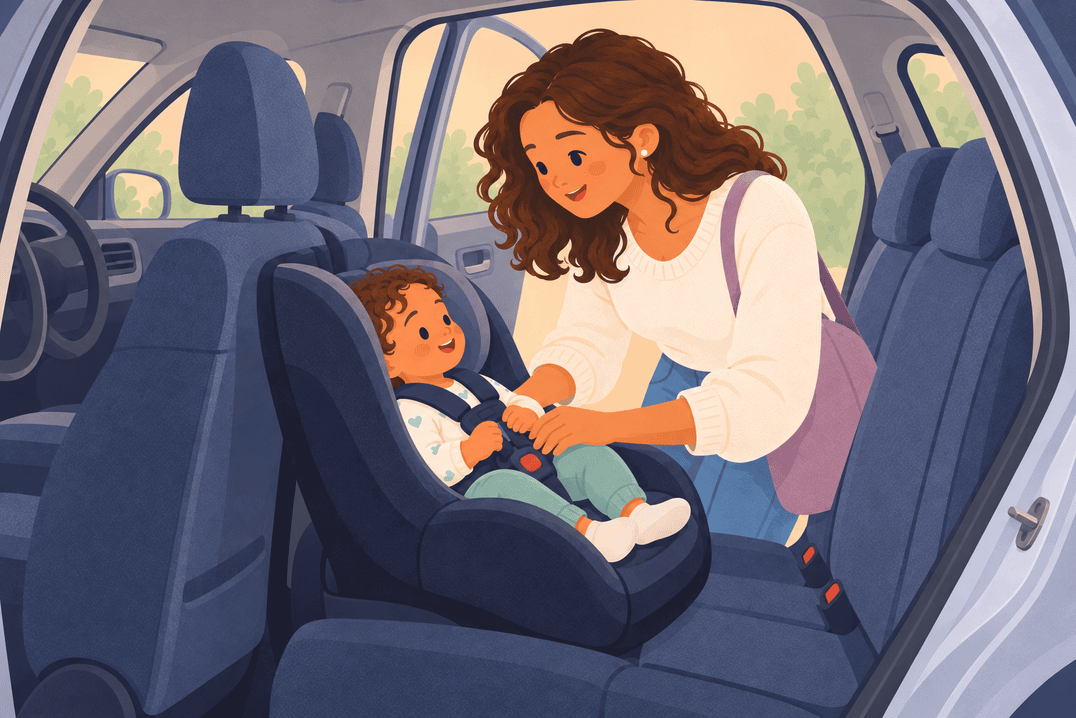
A car seat needs to fit your child, your vehicle and the way it will be used each day. Rear facing travel supports a young child’s head, neck and back during a crash. Keep your baby or toddler rear facing for as long as they fit within the seat manufacturer’s limits, rather than treating a birthday as a signal to turn the seat around.
Check the limits for the actual mode
Read the rear facing height and weight limits on the seat and in its manual. A seat that works in several modes can have different limits for each one. Follow every fit requirement, including any stated head clearance, and change the arrangement when any limit is reached.
Outgrowing a removable infant carrier does not necessarily mean outgrowing rear facing travel. A suitable larger seat may allow it to continue. Bent knees or feet touching the vehicle seat are not, by themselves, a reason to turn a toddler forward.
Try the seat in the vehicle
Check the approved seating positions, space and attachment method before buying. A product that fits a friend’s car may not fit yours. Ask a qualified child passenger safety professional to help if the manuals do not make compatibility clear.
Our installation guide covers the next checks. The rear seat is the appropriate starting point for babies and toddlers. Never place a rear facing restraint in front of an active passenger airbag.
Separate safety advice from legal minimums
Requirements differ between countries and sometimes between states or regions. Check the current rules where you will drive, including the approval label required for the seat. A restraint approved for one market may not be accepted elsewhere.
For example, UK rules require height based seats to remain rear facing until the child is over fifteen months. That legal threshold does not mean turning at that age is the safest next step. Continue within the product’s rear facing limits and use the appropriate next restraint when those limits are reached.
Check condition and history
Avoid a used seat when you cannot establish its history. You need the model information, instructions and all required parts, with no unresolved recall or damage. Check the manufacturer’s service life and advice after a crash; an apparently intact shell is not enough to establish continued safety.
Register the seat for safety notices where that service is available. Keep the manual accessible so another caregiver can use the same setup correctly.
Plan for ordinary journeys
Choose a seat you can tighten and check reliably. Price, appearance and convenience features do not replace correct use. If your baby was born early or has positioning or breathing needs, ask the clinical team about travel assessment before departure.
The outings guide helps with practical stops without changing restraint safety. As your child grows, combine regular fit checks with the wider home safety review. Both need updating when reach, size and movement change.
References

Lifeing Editorial
Stories for a little more understanding, a little more reassurance, and the everyday moments in between.
Related posts


Recurrent miscarriage: When Further Investigation May Be Offered