
Your Cycle Explained: What Happens Before, During, and After Ovulation
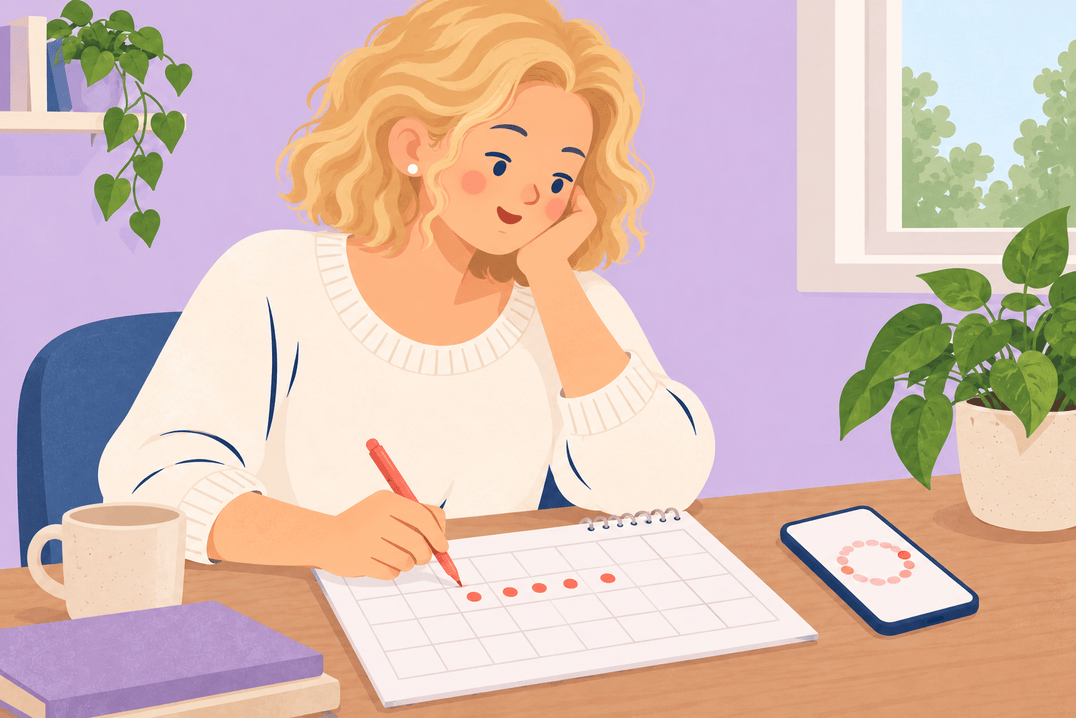
Your cycle includes more than the days you bleed. Understanding the broad sequence can help you interpret a diary, follow a clinician’s explanation, or ask more specific questions about fertility.
Start with day one
The first day of a period is day one of the menstrual cycle. Bleeding marks the shedding of the womb lining when pregnancy has not occurred. Cycle length is counted until the day before the next period begins.
When recording dates, use the same approach each month. Keep a separate note for light spotting if you are unsure whether a period has started.
For practical date examples, see counting cycle days.
Before ovulation
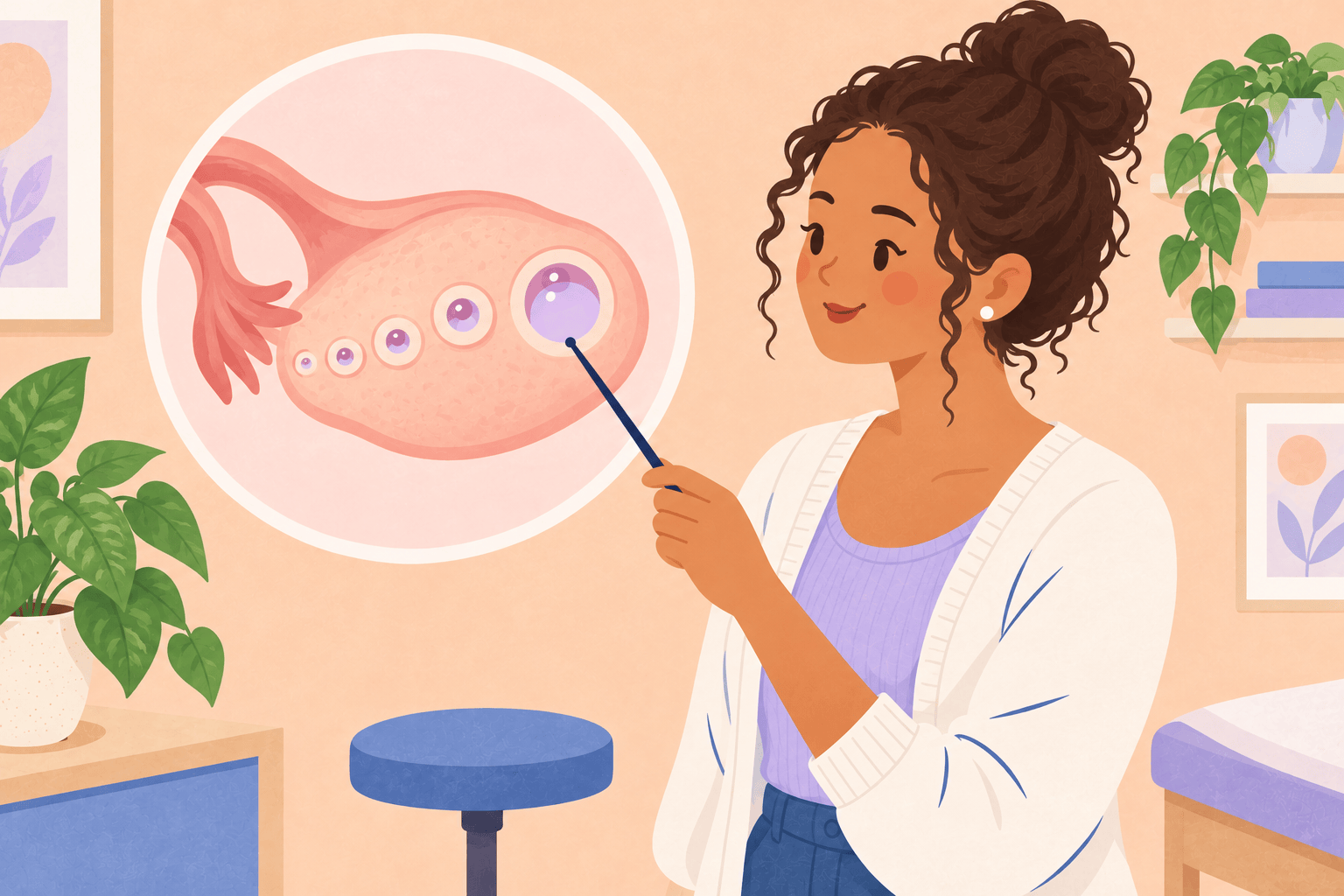
During the first part of the cycle, an egg develops and the womb lining builds again. Ovulation is the release of an egg from an ovary. It does not happen on the same numbered day for everyone.
A calendar estimate is a useful prompt, but do not read it as confirmation of what happened in your body. The follicular phase guide explains what develops before an egg is released.
After ovulation
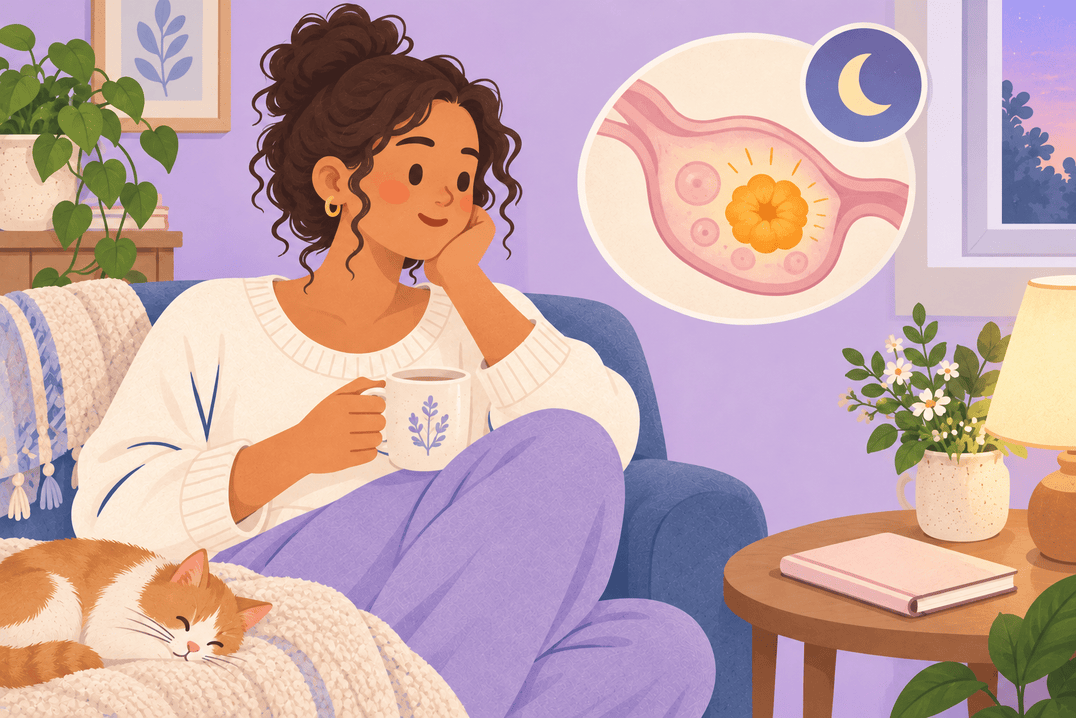
The second part of the cycle is often called the luteal phase. Hormones support the womb lining; if pregnancy does not develop, hormone levels fall and another period follows. The interval between ovulation and the next period varies rather than always lasting exactly two weeks.
Looking backwards from the next period can therefore be more informative than assuming day 14 is always the key date.
Use the explanation practically
Bring questions to a consultation such as: “Does my bleeding pattern suggest we should check ovulation?” or “How should I interpret this prediction if my cycles vary?”
If you are trying to conceive, read finding your fertile window. If your main concern is a change in bleeding or pain, start with that concern rather than trying to assign it to a cycle phase.
References

Lifeing Editorial
Stories for a little more understanding, a little more reassurance, and the everyday moments in between.
Related posts
Declining or accepting prenatal screening: Questions That Support Your Decision